Featured post

What to Eat During Pregnancy for the Health of Mother and Baby | Edwin Ogie Library

Image
What to Eat During Pregnancy for the Health of Mother and Baby | Edwin Ogie Library Health & Wellness What to Eat During Pregnancy for the Health of Mother and Baby 📅 May 5, 2026 ⏱️ 15 min read 👤 Edwin Ogie 🏷️ Pregnancy, Nutrition, Maternal Health Medical Disclaimer This article is for educational and informational purposes only . It does not constitute medical advice, diagnosis, or treatment. The content presented here is compiled from publicly available health resources and reputable medical organizations. Always consult a qualified healthcare provider—such as your obstetrician, midwife, or registered dietitian—before making any dietary changes during pregnancy. Individual nutritional needs vary based on health status, pre-...

Common Pregnancy Mistakes Every Expectant Mother Should Avoid | Edwin Ogie Library

Common Pregnancy Mistakes Every Expectant Mother Should Avoid | Edwin Ogie Library
Health & Wellness

Common Pregnancy Mistakes Every Expectant Mother Should Avoid

📅 May 5, 2026 ⏱️ 12 min read 👤 Edwin Ogie 🏷️ Pregnancy, Health, Maternal Care

Medical Disclaimer

This article is for educational and informational purposes only. It does not constitute medical advice, diagnosis, or treatment. The content presented here is compiled from publicly available health resources and reputable medical organizations. Always consult a qualified healthcare provider—such as your obstetrician, midwife, or family doctor—before making any health decisions during pregnancy. Individual circumstances vary, and what is appropriate for one person may not be suitable for another. Never disregard professional medical advice or delay seeking it because of something you have read on this website.

Pregnancy is a significant life event that brings both joy and responsibility. Many expectant mothers, particularly those experiencing pregnancy for the first time, may not be aware of certain practices that medical professionals recommend avoiding. This educational guide highlights common areas where expectant mothers often seek more information, based on recommendations from major health organizations. Our goal is to support informed discussions between you and your healthcare provider.
1

Missing or Delaying Prenatal Appointments

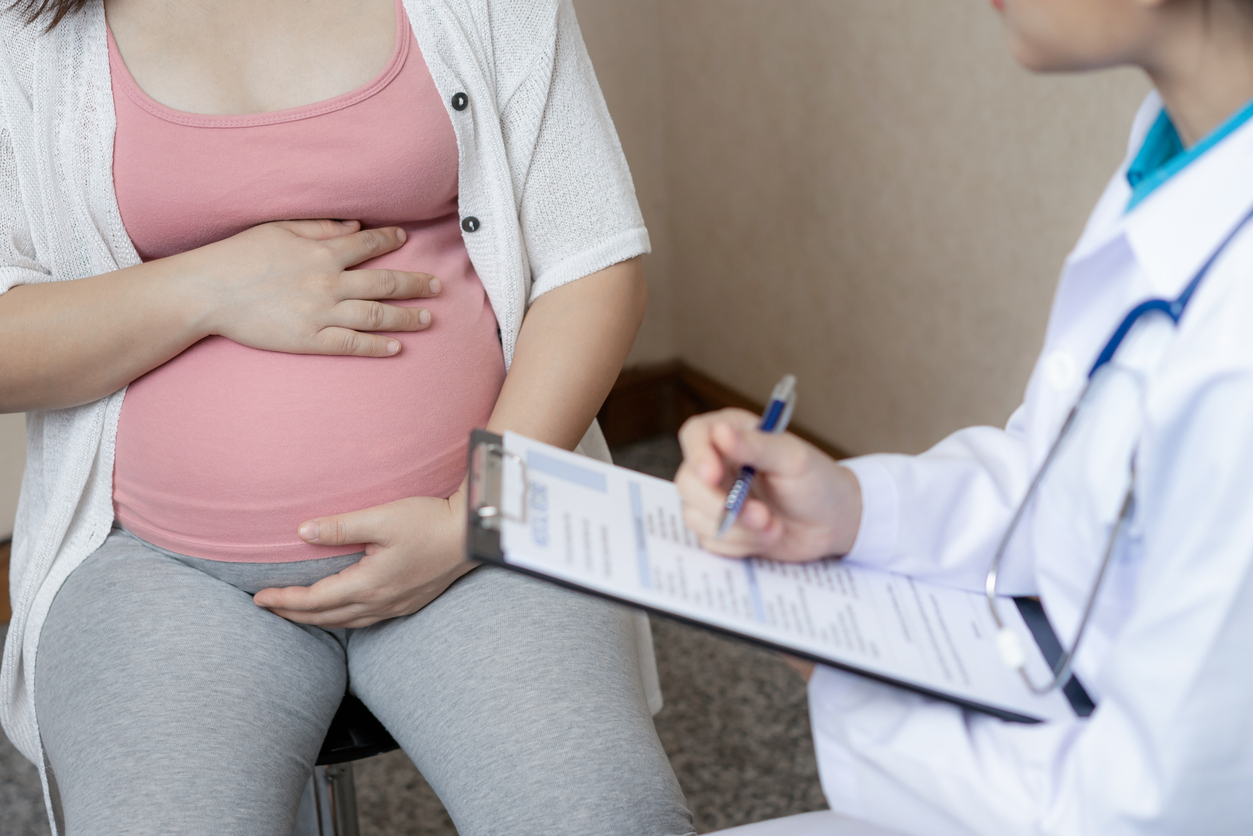
Pregnant woman consulting with healthcare provider during prenatal visit
Regular prenatal checkups help monitor both mother and baby's health

Regular prenatal care is widely recommended by medical organizations as an important component of a healthy pregnancy. These appointments provide opportunities for healthcare providers to monitor development and discuss any questions or concerns.

⚠️ Why Consistent Care Matters: According to the American College of Obstetricians and Gynecologists (ACOG), regular prenatal visits allow healthcare providers to monitor blood pressure, check for signs of preeclampsia, screen for gestational diabetes, and assess fetal growth. Early detection of potential concerns allows for timely intervention. Always follow your healthcare provider's recommended schedule.
✅ General Recommendations:
  • Schedule your first prenatal visit early in pregnancy, ideally within the first 8 to 12 weeks
  • Attend all scheduled appointments as recommended by your healthcare provider
  • Prepare questions in advance to make the most of each visit
  • Contact your provider between appointments if you experience symptoms that concern you
  • Discuss any additional screenings that may be appropriate for your situation
2

Inadequate Nutritional Awareness

Nutritional needs change during pregnancy, but the common phrase "eating for two" can be misleading. According to the Centers for Disease Control and Prevention (CDC), most pregnant women need only about 300 extra calories per day during the second trimester and 450 extra calories during the third trimester. Quality of nutrition is generally considered more important than quantity alone.

⚠️ Common Nutritional Considerations:
  • Consuming excessive empty calories from sweets and highly processed foods may contribute to excessive weight gain
  • Undercooked meats, eggs, or unpasteurized dairy products may carry foodborne illness risks
  • Certain fish high in mercury (shark, swordfish, king mackerel, tilefish) are generally advised against during pregnancy
  • Inadequate intake of iron, calcium, folate, and protein may affect maternal and fetal health
✅ General Dietary Guidelines:
  • Focus on nutrient-dense foods: lean proteins, whole grains, fruits, vegetables, and healthy fats
  • Consult your healthcare provider about appropriate caloric intake for your specific situation
  • Take a prenatal vitamin as recommended by your doctor to supplement dietary intake
  • Avoid raw or undercooked animal products unless otherwise directed by your provider
  • Limit caffeine intake; many organizations suggest keeping it below 200mg per day
  • Wash all fruits and vegetables thoroughly before consumption
3

Complete Avoidance of Physical Activity

Pregnant woman practicing prenatal yoga for healthy pregnancy
Prenatal yoga and gentle exercise may strengthen muscles used during labor

The American College of Obstetricians and Gynecologists (ACOG) states that for women with uncomplicated pregnancies, physical activity is generally safe and beneficial. However, many expectant mothers avoid exercise entirely due to uncertainty about what is appropriate.

ℹ️ Potential Benefits of Moderate Exercise: Research suggests that regular, moderate physical activity during pregnancy may help reduce back pain, decrease the risk of gestational diabetes and preeclampsia, improve mood and energy levels, and promote healthy weight gain. Always obtain approval from your healthcare provider before beginning or continuing an exercise routine.
✅ Exercise Considerations:
  • Many health organizations suggest approximately 150 minutes of moderate-intensity activity per week for healthy pregnant women
  • Walking, swimming, stationary cycling, and prenatal yoga are commonly recommended options
  • Avoid contact sports, activities with high fall risk, and exercises requiring lying flat on your back after the first trimester
  • Stay well-hydrated and avoid overheating
  • Listen to your body and stop if you experience dizziness, shortness of breath, chest pain, or vaginal bleeding
  • Pelvic floor exercises (Kegels) are often recommended throughout pregnancy
4

Alcohol, Tobacco, and Drug Use

No alcohol and no smoking warning for pregnant women
Major health organizations recommend avoiding alcohol and tobacco during pregnancy

According to the CDC, the Surgeon General, and the American College of Obstetricians and Gynecologists, there is no known safe amount of alcohol during pregnancy. Similarly, smoking and recreational drug use are associated with significant risks to both mother and baby.

⚠️ Associated Risks (Based on Medical Research):
  • Alcohol: The CDC notes that alcohol use during pregnancy can lead to Fetal Alcohol Spectrum Disorders (FASD), which may include physical, behavioral, and learning problems
  • Smoking: The March of Dimes reports that smoking during pregnancy increases risks of miscarriage, premature birth, low birth weight, and certain birth defects
  • Drugs: Substance use during pregnancy may lead to complications including preterm labor, placental abruption, and neonatal abstinence syndrome (NAS)
✅ If You Need Support:
  • Speak with your healthcare provider immediately if you are struggling to quit—these conversations are confidential and non-judgmental
  • Contact local support groups or national hotlines specialized in pregnancy and substance use
  • Explore healthy coping alternatives such as meditation, gentle exercise, or creative activities
  • Involve your partner or support network in creating a substance-free environment
  • Remember that reducing or stopping use at any point during pregnancy can provide benefits
5

Neglecting Mental Wellbeing

Pregnant woman relaxing and managing stress during pregnancy
Managing stress is an important aspect of overall pregnancy wellness

Pregnancy involves significant hormonal and emotional changes. According to the American Psychological Association and postpartum support organizations, mental health during pregnancy is as important as physical health. Some women may experience anxiety or depression that requires professional attention.

⚠️ When to Seek Professional Help:
  • Persistent feelings of sadness or hopelessness lasting more than two weeks
  • Excessive worry about pregnancy or baby's health that interferes with daily functioning
  • Panic attacks or severe anxiety
  • Loss of interest in previously enjoyed activities
  • Significant sleep disturbances beyond normal pregnancy discomfort
  • Any thoughts of self-harm or harming the baby—seek immediate help
✅ Strategies for Emotional Wellness:
  • Practice stress-reduction techniques such as deep breathing, meditation, or prenatal yoga
  • Maintain social connections and avoid isolation
  • Communicate openly with your partner, family, or friends about your feelings
  • Consider professional counseling if needed—therapy during pregnancy is generally considered safe
  • Join prenatal support groups to connect with other expectant mothers
  • Prioritize adequate rest and sleep
  • Limit exposure to stressful information when possible
6

Self-Medicating Without Guidance

Many over-the-counter medications, herbal supplements, and even some prescription drugs may not be appropriate during pregnancy. The FDA and other regulatory bodies classify medications based on pregnancy safety data. What was safe before pregnancy may require re-evaluation.

⚠️ Medications Requiring Medical Guidance:
  • NSAIDs such as ibuprofen and aspirin (especially in the third trimester)
  • Acne medications containing isotretinoin (Accutane)
  • Certain antidepressants and anti-anxiety medications—do not discontinue without medical advice
  • Herbal supplements not specifically evaluated for pregnancy safety
  • High-dose vitamin A supplements
  • Some antibiotics (tetracyclines, fluoroquinolones)
✅ Medication Safety Guidelines:
  • Always inform any healthcare provider that you are pregnant before accepting prescriptions
  • Consult your obstetrician before taking any medication, including over-the-counter products
  • Maintain a list of all medications and supplements you are taking
  • Do not stop prescribed medications abruptly without consulting your doctor—some conditions may be riskier untreated
  • Use reputable resources such as the FDA's pregnancy medication categories for reference, but always confirm with your provider
7

Poor Sleep Habits

Pregnant woman sleeping comfortably with proper positioning
Proper sleep positioning may improve comfort and circulation during pregnancy

As pregnancy progresses, sleep patterns often change. According to the National Sleep Foundation and ACOG, sleep position and quality can affect comfort and potentially influence blood flow in later pregnancy stages.

⚠️ Common Sleep Challenges:
  • Sleeping flat on the back after approximately 20 weeks may compress the vena cava, potentially reducing blood flow
  • Inadequate support for the growing belly and back may increase discomfort
  • Excessive fluid intake before bed may increase nighttime bathroom trips
  • Blue light from electronic devices may disrupt melatonin production
  • Sleep apnea symptoms may develop or worsen during pregnancy
✅ Sleep Improvement Strategies:
  • The American Pregnancy Association suggests sleeping on the left side to optimize blood flow
  • Use pregnancy pillows for support between knees, under the belly, and behind the back
  • Establish a consistent, relaxing bedtime routine
  • Keep the bedroom cool, dark, and quiet
  • Limit caffeine intake, particularly after midday
  • Take short daytime naps if nighttime sleep is disrupted
  • Elevate the head of the bed slightly if experiencing heartburn
8

Insufficient Hydration

Proper hydration is important during pregnancy. The Institute of Medicine recommends that pregnant women consume approximately 10 cups (2.4 liters) of fluids daily from all sources, including water, beverages, and food. Some women reduce water intake to minimize bathroom trips, but this may have unintended consequences.

⚠️ Potential Effects of Inadequate Hydration:
  • Increased risk of urinary tract infections (UTIs)
  • Headaches and dizziness
  • Constipation and hemorrhoids
  • Overheating
  • Reduced amniotic fluid levels in severe cases
  • Premature contractions in cases of significant dehydration
✅ Hydration Recommendations:
  • Aim for approximately 8-12 glasses of water daily, adjusting for activity level and climate
  • Increase intake during hot weather or physical activity
  • Carry a water bottle as a visual reminder
  • Include water-rich foods such as cucumbers, watermelon, oranges, and strawberries
  • Limit sugary beverages and monitor caffeine consumption
  • If plain water is unappealing, consider adding lemon, mint, or cucumber slices
  • Monitor urine color—pale yellow generally indicates adequate hydration
9

Inconsistent Prenatal Vitamin Use

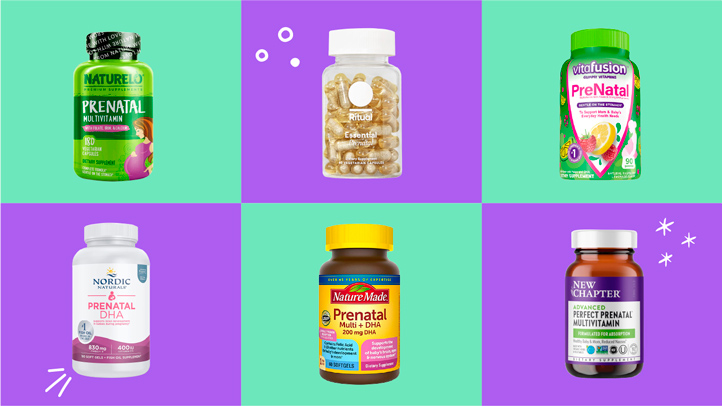
Essential prenatal vitamins recommended for pregnant women
Prenatal vitamins are commonly recommended to supplement dietary intake during pregnancy

According to the CDC and ACOG, prenatal vitamins are commonly recommended because it can be difficult to obtain all necessary nutrients through diet alone during pregnancy. These supplements are specifically formulated to support maternal and fetal health.

ℹ️ Key Nutrients Typically Included:
  • Folic Acid (400-800mcg): The CDC recommends folic acid supplementation before conception and during early pregnancy to help prevent neural tube defects
  • Iron: Supports the increased blood volume during pregnancy and helps prevent anemia
  • Calcium & Vitamin D: Important for fetal bone and teeth development
  • DHA/Omega-3: May support brain and eye development
  • Iodine: Supports thyroid function and neurological development
✅ Best Practices for Supplementation:
  • Begin taking prenatal vitamins before conception if possible, or as soon as pregnancy is confirmed
  • Take them consistently at the same time each day
  • If nausea occurs, try taking with food or before bed
  • Do not double up if a dose is missed—continue with the next scheduled dose
  • Choose a vitamin containing the recommended amounts of key nutrients as advised by your provider
  • Continue prenatal vitamins while breastfeeding unless otherwise directed
10

Lack of Preparation for Labor and Postpartum

Pregnant woman relaxing and preparing mentally for childbirth
Mental and physical preparation for labor may help reduce anxiety

Many expectant mothers focus primarily on pregnancy itself and may not fully prepare for the birth process and the postpartum period. Childbirth education and advance planning can help reduce anxiety and improve readiness.

⚠️ Common Preparation Gaps:
  • Not attending childbirth education classes
  • Failing to discuss birth preferences with healthcare providers
  • Not researching available pain management options
  • Overlooking postpartum recovery needs
  • Not arranging practical help for the first weeks after birth
  • Limited knowledge about newborn care basics
✅ Preparation Checklist:
  • Attend prenatal education classes offered by hospitals, community centers, or online platforms
  • Discuss birth preferences and options with your healthcare provider
  • Tour your chosen birth facility if possible
  • Prepare a hospital bag by approximately week 36
  • Arrange postpartum support for meals, childcare, and household assistance
  • Learn about newborn care basics including feeding, diapering, and soothing techniques
  • Prepare your home with necessary baby supplies
  • Learn about signs of postpartum depression and have support resources available
  • Consider creating a postpartum care plan in addition to birth preferences

🎯 Key Takeaways for a Healthy Pregnancy

🏥 Stay Connected

Attend all prenatal appointments as scheduled. Your healthcare team is your primary resource for personalized guidance.

🥗 Eat Mindfully

Focus on nutrient quality. Discuss dietary needs with your healthcare provider or a registered dietitian.

🏃‍♀️ Stay Active

Moderate exercise is generally beneficial. Always obtain your doctor's approval first.

🚫 Avoid Harmful Substances

Major health organizations recommend avoiding alcohol, tobacco, and recreational drugs during pregnancy.

🧘 Care for Your Mind

Mental health is an important part of pregnancy wellness. Seek help if you experience persistent anxiety or depression.

💊 Supplement Wisely

Take prenatal vitamins as directed and never self-medicate without consulting your healthcare provider.

📚 Sources & References

This content is compiled from the following reputable health organizations and medical guidelines:

  1. World Health Organization (WHO) - Pregnancy Care Guidelines
  2. Centers for Disease Control and Prevention (CDC) - Pregnancy Health Information
  3. American College of Obstetricians and Gynecologists (ACOG) - Prenatal Care Guidelines
  4. March of Dimes - Pregnancy Complications and Prevention
  5. U.S. Food and Drug Administration (FDA) - Medication Safety During Pregnancy
  6. National Sleep Foundation - Sleep Health During Pregnancy
  7. American Psychological Association - Mental Health and Pregnancy
  8. Institute of Medicine (National Academy of Medicine) - Dietary Reference Intakes
Last medically reviewed: May 5, 2026. Content is periodically updated to reflect current medical guidelines and recommendations. This article was written for educational purposes and does not replace professional medical consultation.

❓ Frequently Asked Questions

Is it safe to drink coffee during pregnancy? +

According to the American College of Obstetricians and Gynecologists, moderate caffeine consumption (less than 200mg per day, equivalent to approximately one 12-ounce cup of coffee) is generally considered safe for most pregnant women. However, caffeine is also found in tea, chocolate, and some medications. Always discuss your specific caffeine intake with your healthcare provider.

💡 Always discuss your specific situation with your healthcare provider.
Can I dye my hair while pregnant? +

Most research suggests that minimal absorption of hair dye chemicals makes it likely safe, particularly after the first trimester. However, some women prefer to wait until the second trimester, use ammonia-free products, ensure good ventilation, or opt for highlights instead of full-color treatments. Consult your healthcare provider for personalized advice.

💡 Always discuss your specific situation with your healthcare provider.
How much weight should I gain during pregnancy? +

The Institute of Medicine provides general guidelines based on pre-pregnancy BMI: Underweight (BMI <18.5): 28-40 lbs; Normal weight (BMI 18.5-24.9): 25-35 lbs; Overweight (BMI 25-29.9): 15-25 lbs; Obese (BMI ≥30): 11-20 lbs. Your doctor will provide personalized guidance based on your individual health status.

💡 Always discuss your specific situation with your healthcare provider.
Is it normal to have mood swings during pregnancy? +

Yes, hormonal changes can cause mood fluctuations. However, if you experience persistent sadness, anxiety, or hopelessness lasting more than two weeks, or have thoughts of self-harm, contact your healthcare provider immediately. Perinatal mood disorders are common and treatable with professional support.

💡 Always discuss your specific situation with your healthcare provider.
Can I travel during pregnancy? +

Travel is generally considered safe during the second trimester (weeks 14-28) for women with uncomplicated pregnancies. Many airlines restrict travel after 36 weeks. Always consult your doctor before traveling, wear compression stockings for long flights, stay hydrated, and walk regularly to promote circulation. Check airline policies regarding pregnant passengers.

💡 Always discuss your specific situation with your healthcare provider.
EO

About the Author

Edwin Ogie is a health and wellness educator and the founder of Edwin Ogie Library, an educational platform providing evidence-based health, lifestyle, and educational resources. This content is compiled from reputable medical sources including the WHO, CDC, ACOG, and peer-reviewed maternal health research.

Content Transparency: This article was written for educational purposes and reviewed against current medical guidelines. For personalized medical advice, please consult your obstetrician, midwife, or qualified healthcare provider. Last updated: May 2026.

Medical Disclaimer: The information provided on this blog is for educational purposes only and is not intended as a substitute for professional medical advice, diagnosis, or treatment. Always seek the advice of your physician or other qualified health provider with any questions you may have regarding a medical condition. Never disregard professional medical advice or delay in seeking it because of something you have read on this website.

The content on Edwin Ogie Library is compiled from publicly available health resources and reputable medical organizations. While we strive for accuracy, medical guidelines change over time, and individual circumstances vary. This content does not establish a doctor-patient relationship.

Comments

Popular Posts

FORGIVENESS THE SECRET TO A SUCCESSFUL RELATIONSHIP

Mastering the Art of Present Steps for Future Triumphs

Navigating Life's Complexities Through Self-Consciousness